
Matthew Larsen appointed Professor
Matthew Larsen has been appointed Professor of New Testament and Early Christian History and Archaeology. His research focuses on the cultural and material histories of early Christian communities from the first to the fifth centuries, with particular expertise in archaeology, material culture, and textual studies.
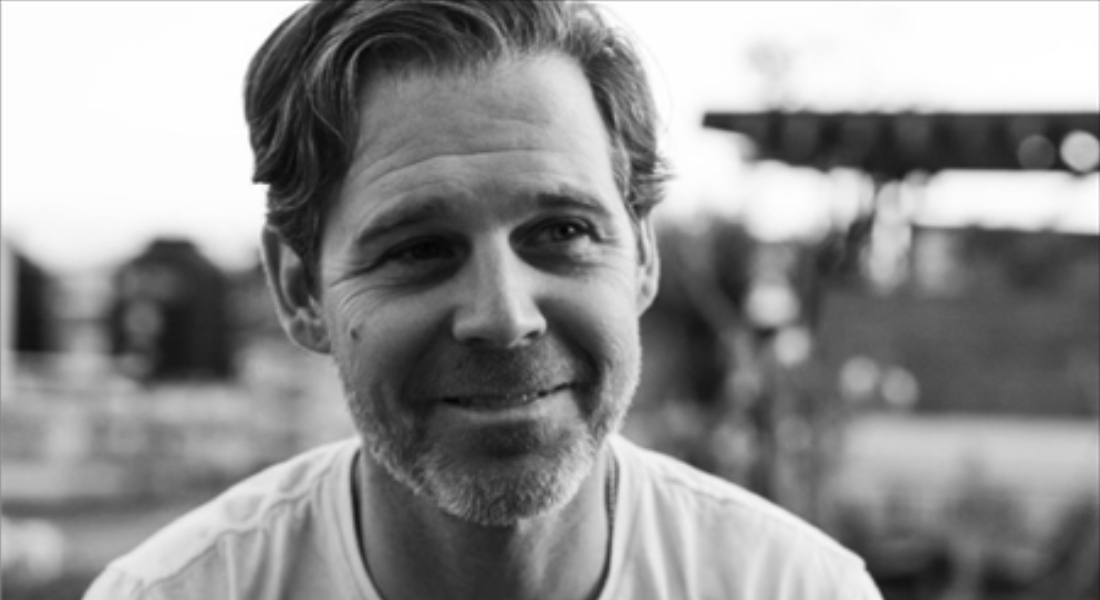
Matthew Larsen is currently completing a three-year research project on the archaeology of ancient prisons, funded by the Carlsberg Foundation. The aim is to gain new insights into how prisons in antiquity actually functioned. As he explains:
– The goal from a New Testament point of view is to understand the places of incarceration better so that we can better understand texts like Paul’s letters, the gospels and their parables, and the Book of Revelation.
At the same time, he is working on a major public-facing biography of Paul, as well as a documentary series on Paul’s life that will premiere on Amazon Prime:
– The book will serve as a sweeping portrait of a man the whole world knows but has never really met. It is the story of how one man’s lifelong search for belonging unwittingly gave birth to a movement that outlasted everyone and everything he had even known. This is Paul neither as a pious icon nor politicized slogan or overdetermined theologian, but as a restless, brilliant, impossible man—angry, alive, and aflame with vision. The goal is to produce the definitive biography on Paul for a generation standing, like him, on the edge of a collapsing world.
Aiming to strengthen New Testament research at the University of Copenhagen
As Professor, Matthew Larsen looks forward to contributing to and further developing the strong international research environment within New Testament studies and early Christianity at the faculty.
He says:
– I hope to help continue the tremendous tradition of New Testament and early Christian studies at the University of Copenhagen, which has stood for generations as an international leader in the field. For me, this will involve securing funding for larger projects, collaborating with colleagues near and far, and developing a new generation of researchers and public thinkers through bachelor, masters, PhD students, and postdocs.
He also aims to strengthen the material and historicising perspectives on early Christian sources and to increase the public visibility of the research:
– Additionally, I hope to help shape the future of the field in a direction that attends closely to material culture and archaeology and pushes for a deeper sense of historicizes these texts, traditions, objects, and figures we already know in a theological and intellectual sense but hope to understand better in a historical and material way. Lastly, I hope to give a lot of attention to the societal impact of New Testament and early Christian research through books, documentaries, and podcasts.