
18th century court records reveal compassion in dealing with mental health issues
A new multidisciplinary anthology, Managing Melancholy, analyses how theology, medicine and law shaped understandings of melancholy and mental states in early modern Nordic Lutheran societies.
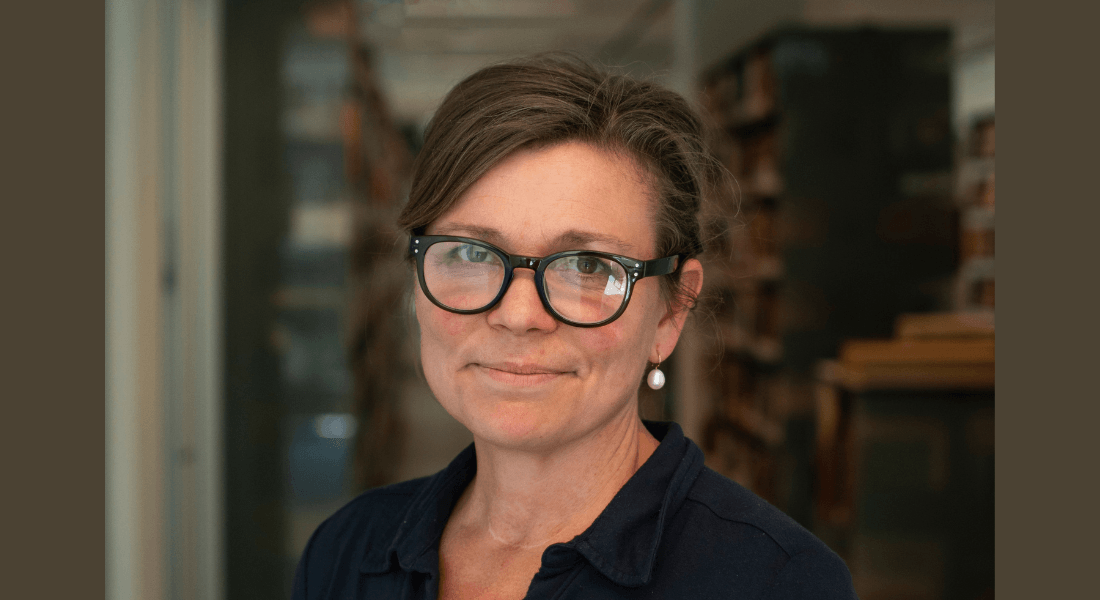 The book Managing Melancholy stems from the VELUX core group project of the same name. To mark the new publication, Tine Ravnsted-Larsen Reeh talks about the book and the project.
Why is melancholy a particularly interesting starting point for studying mental states historically?
- Our idea was to investigate whether there is a connection between the 18th-century religious focus on ‘the inner self’ and modern people’s perceptions of mental health. Did the religious trend of the time, Pietism, and the many self-help books for diagnosing the soul influence ordinary people’s experience of their own and others’ mental health?
What can an 18th-century project tell us today?
What was particularly surprising about your work on this topic?
- It was surprising just how straightforward and sensible the approach to various mental conditions was in the 18th century. And how practical and caring the attempts were to tackle mental illness – which contradicted my preconceptions about the past in that regard.
Do you have any thoughts on what might be the project’s most important finding?
- We have identified some of the key elements in the development of modern forensic psychiatry, or the pre-psychiatric terminology and thinking, and making the Supreme Court’s voting records available in a searchable online format will also be of benefit to other researchers.
More about the project
Among other things, digital tools were used to grant the group access to a vast body of source material. This included, for example, the Supreme Court’s voting documents (77,000 pages), which were digitised and made publicly available.
Efforts were also made to integrate the project’s use of new tools for reading old manuscripts into teaching.
As part of the project, Benjamin Brandt Christiansen took part in DR’s podcast series Ubegribeligt, where he shared some of his insights into the study of 18th-century psychiatry.