Africa Seminar: Agile Society: How Technologies are Transforming African Bureaucracies
The global diffusion of emerging technologies has been accompanied by a rapid intensification of processes of societal technicization. In Africa, states, firms, social groups, and individuals have incorporated a wide array of technical artefacts (digital, logistical, security-related, and informational) into domains as diverse as public administration, the provision of social services, markets, economic production, and cultural practices. Within political and developmental imaginaries, these technologies are increasingly endowed with a quasi-salvific function: they are presented as solutions capable of overcoming underdevelopment, following the historical failure of structural adjustment programmes, economic liberalization, and the promises associated with the “communication revolution” driven by the widespread adoption of mobile telephony and the expansion of the internet in the early 2000s.
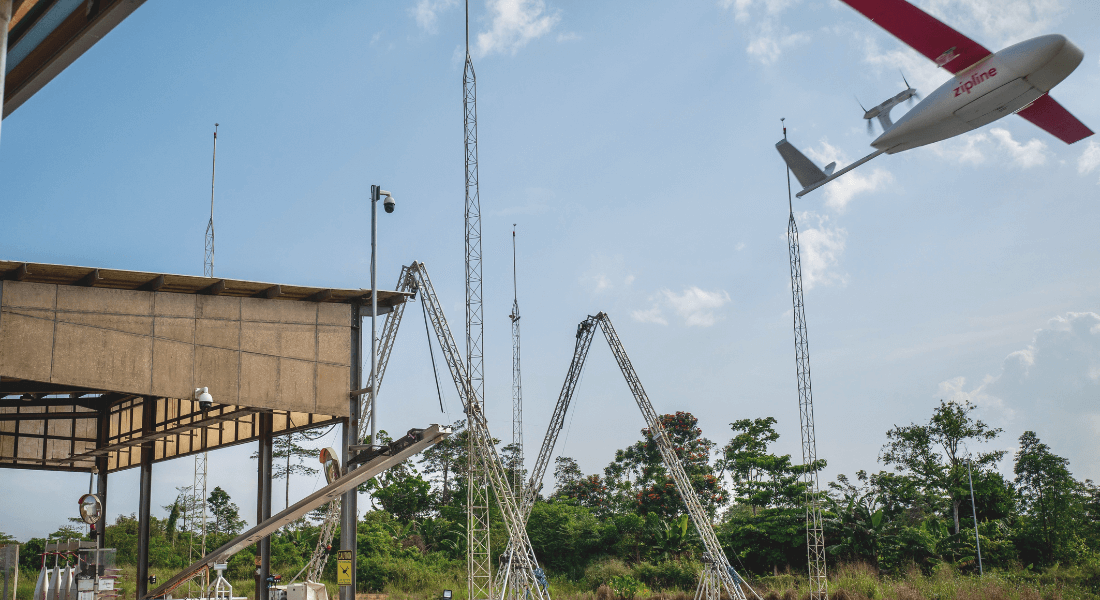
More recently, African states have turned to surveillance technologies, biometric systems, drones, satellites and digital public infrastructures (DPI) to address a broad range of social, political, and security challenges. This process of technicization, however, unfolds within a context marked by a proliferation of uncertainties and states of emergency (health-related, demographic, humanitarian, ecological, economic, and migratory) that affect Africa as much as the rest of the world. Yet, contrary to recurrent diagnoses emphasizing the weakness, poverty, or corruption of African administrations, many states display a relatively unexpected capacity for resilience and adaptation in the face of these constraints.
This seminar proposes to analyse the foundations of this adaptive capacity through the lens of the concept of the “agile society.” It examines how African societies confront uncertainty through a combination of technological solutions, institutional bricolage, and ongoing practices of improvisation and negotiation. Far from constituting a simple process of technological catch-up, this agility reveals specific forms of governing through emergency, in which technologies function simultaneously as instruments of management, power, and the reconfiguration of relations between the state, society, and infrastructures.
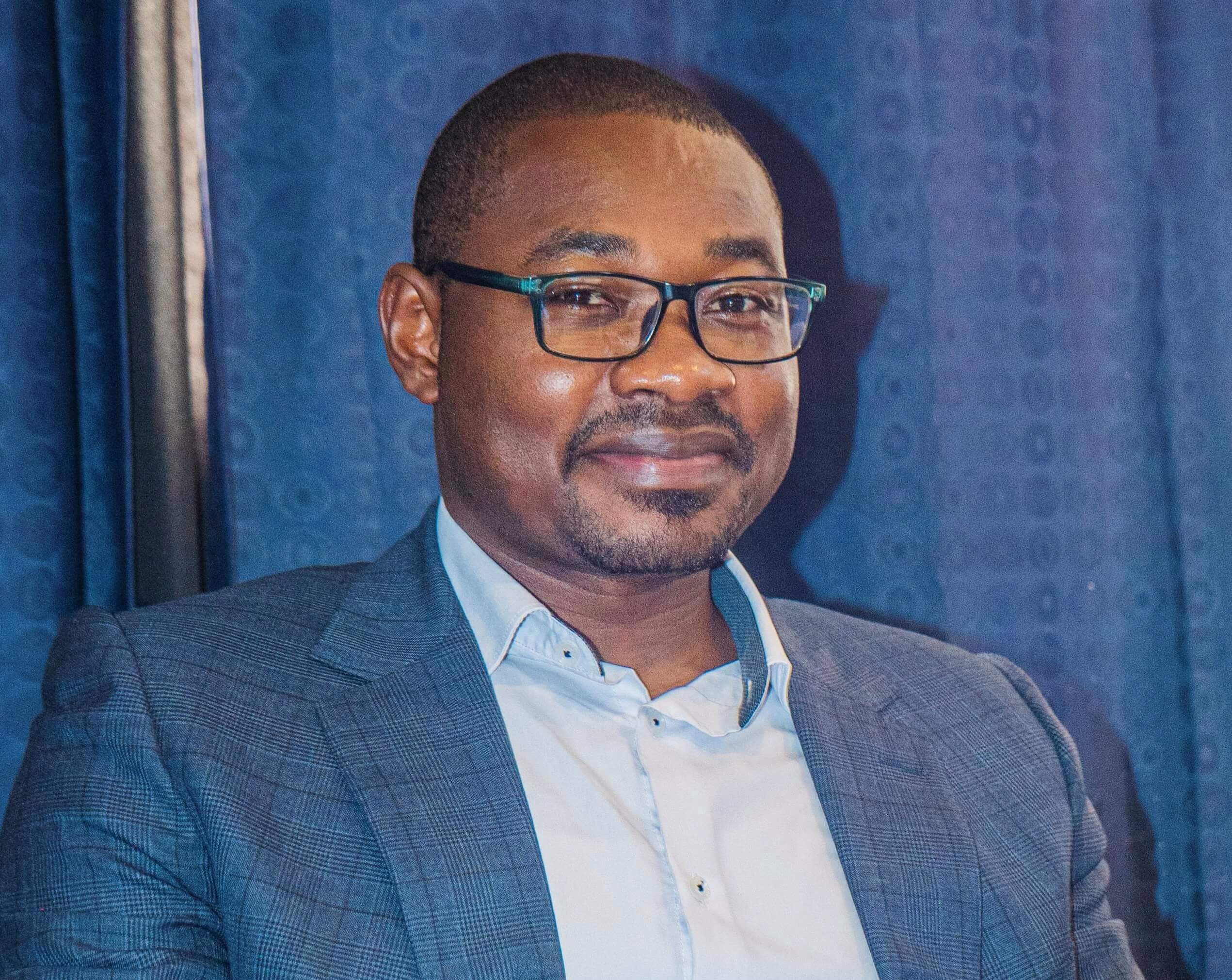
Georges Macaire Eyenga is a researcher at the École des Hautes Études en Sciences Sociales (EHESS) in Paris and an Associate Professor in the Department of Political Science at the*University of Dschang, Cameroon. His research focuses on African technoscapes, with particular attention to the ways in which African governments mobilize technological solutions to sustain state capacity in the face of political demands and internal and external pressures that threaten stability and durability. He has published several peer-reviewed articles on contemporary technological infrastructures and devices, including surveillance systems, biometric technologies, drones, digital platforms, and satellite internet. His current research examines scientific collaborations and practices of quantification in forest ecology in Central Africa.
(georgesmacaire.eyenga@ehess.fr)