
Past Privacy Today: Negotiating Boundaries – Navigating Challenges

Tegning af Nanna Eva Nissen
On the 4th and 5th of September, we hosted the conference Past Privacy Today: Negotiating Boundaries - Navigating Challenges. The conference was centred around our five research themes. The panels, hosted by each theme leader, focused on aspects of privacy as it was experienced across different ages and spaces, bringing them into perspective with how current day developments challenge and change our understandings of privacy.
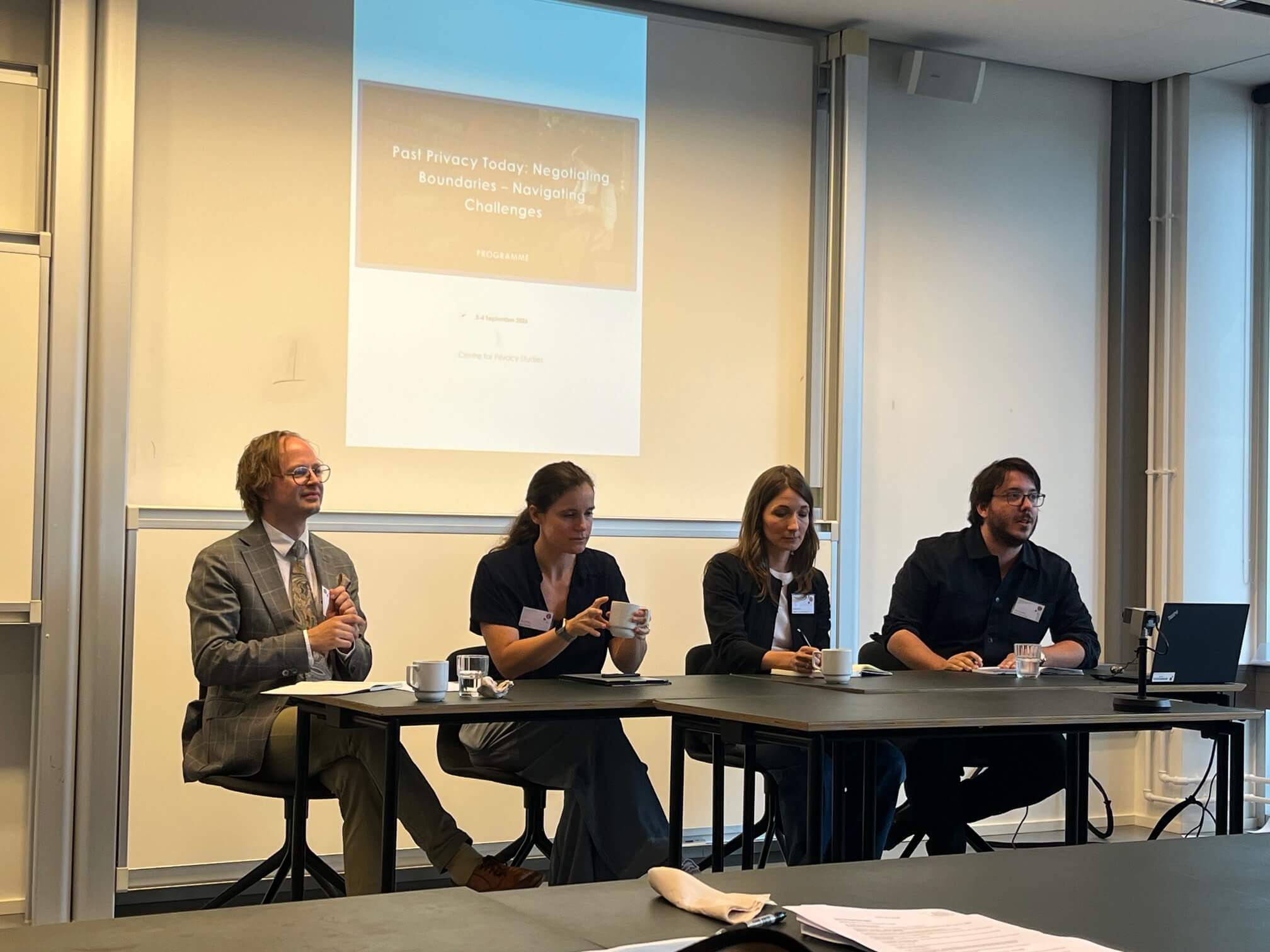
In the first panel, Johannes Ljungberg introduced the Urban Space panel, which attempted to go beyond public-private/domestic-dichotomies by investigating how specific buildings and outdoor spaces have shaped notions of privacy. The panel, which included Antonia Weiß and Sophie Rose, pursued the task with a global perspective as well as with a keen eye for what role notions of privacy have played for these spaces from the early modern period until the present day.
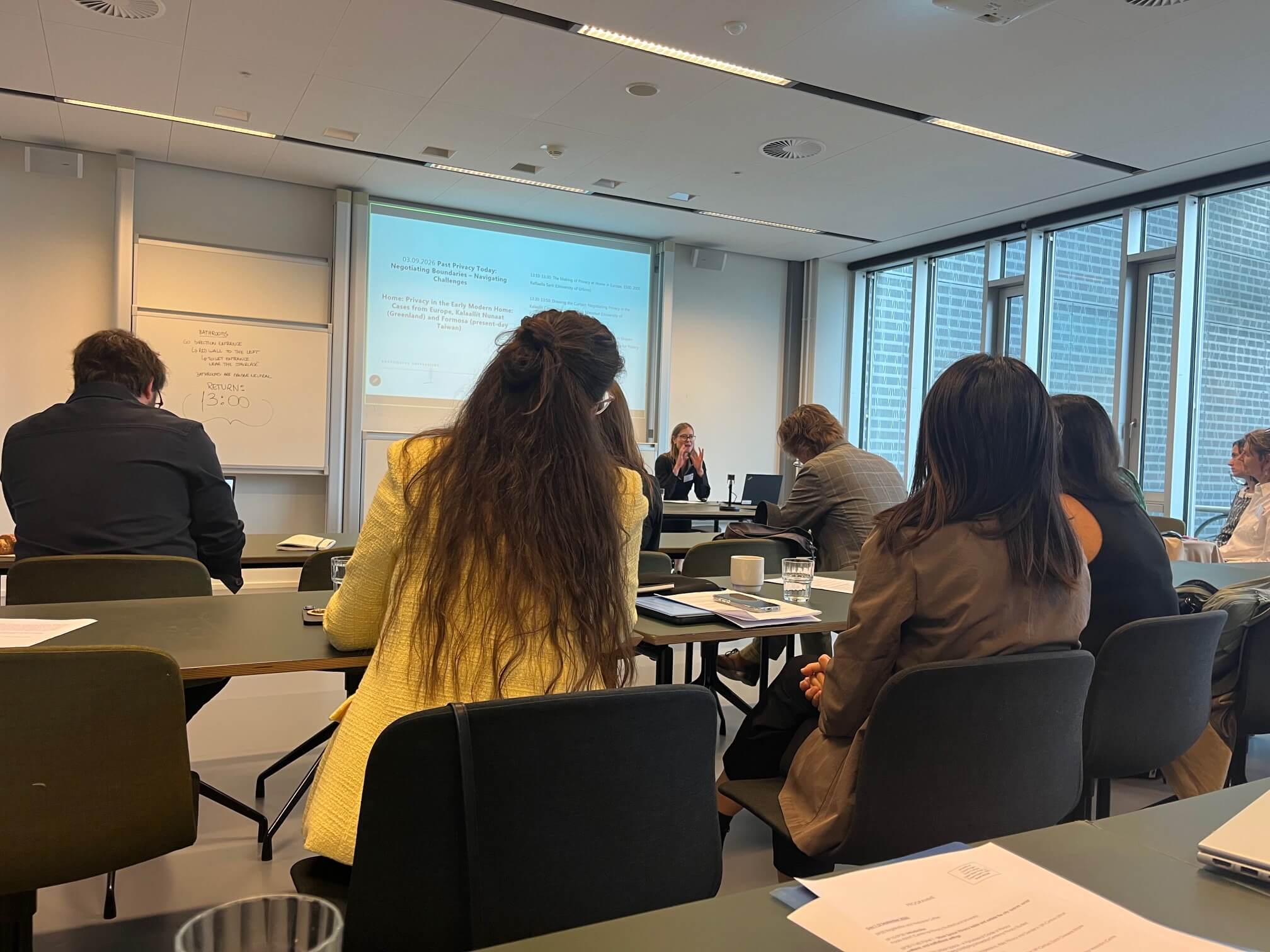
Then, privacy in the home was explored by Natalie Patricia Körner, Asta Mønsted and Hui-Yi Yang, with case studies from Europe, Greenland and Taiwan showcasing how privacy was claimed and granted in co-inhabited spaces. In Greenland, several families co-habited in limited collective space during the winter months, where the experience of privacy was enabled through gestures and flexible spatial markers. In Taiwan, darkness created zones of privacy in communal, gendered houses. This was put into perspective with changes in the Western world, where the home has opened up again due to working from home, social media, and co-living constellations beyond the nuclear family.
To round off the first day, the panel on Belief was introduced, in which Eurocentric conceptions of privacy were challenged by religious and cultural experiences from non-western contexts with presentations by Martha Frederiks and Barbara Alice Mann. Does it even make sense to speak of “privacy” in non-Western cosmologies that emphasize the communal being of all things? Is privacy a cultural universal or specific? These and other questions were posed with a rich and thought-provoking discussion ensuing.
The second day began with Natascha Klein Käfer’s panel on Health, where modern day healthcare technologies were put in conversation with medieval hospital wards and the privacy experiences within them. Mette Svendsen explored how families found online communities to share experiences with each other on having children with rare genetic conditions. Gisela Drossbach then brought us into the world of medieval health care, where privacy was negotiated between patients, doctors and people of the church.
Finally, Paolo Astorri brought Law into the foreground with four presentations on the legal history of merchants and their rights to trade secrets. Guido Rossi, Luisa Brunori, Stefania Gialdroni and Giovanni Chiodi each examined case studies that highlighted the tensions between public institutions and private interests, as well as the techniques of concealment and the instruments developed to expose them.
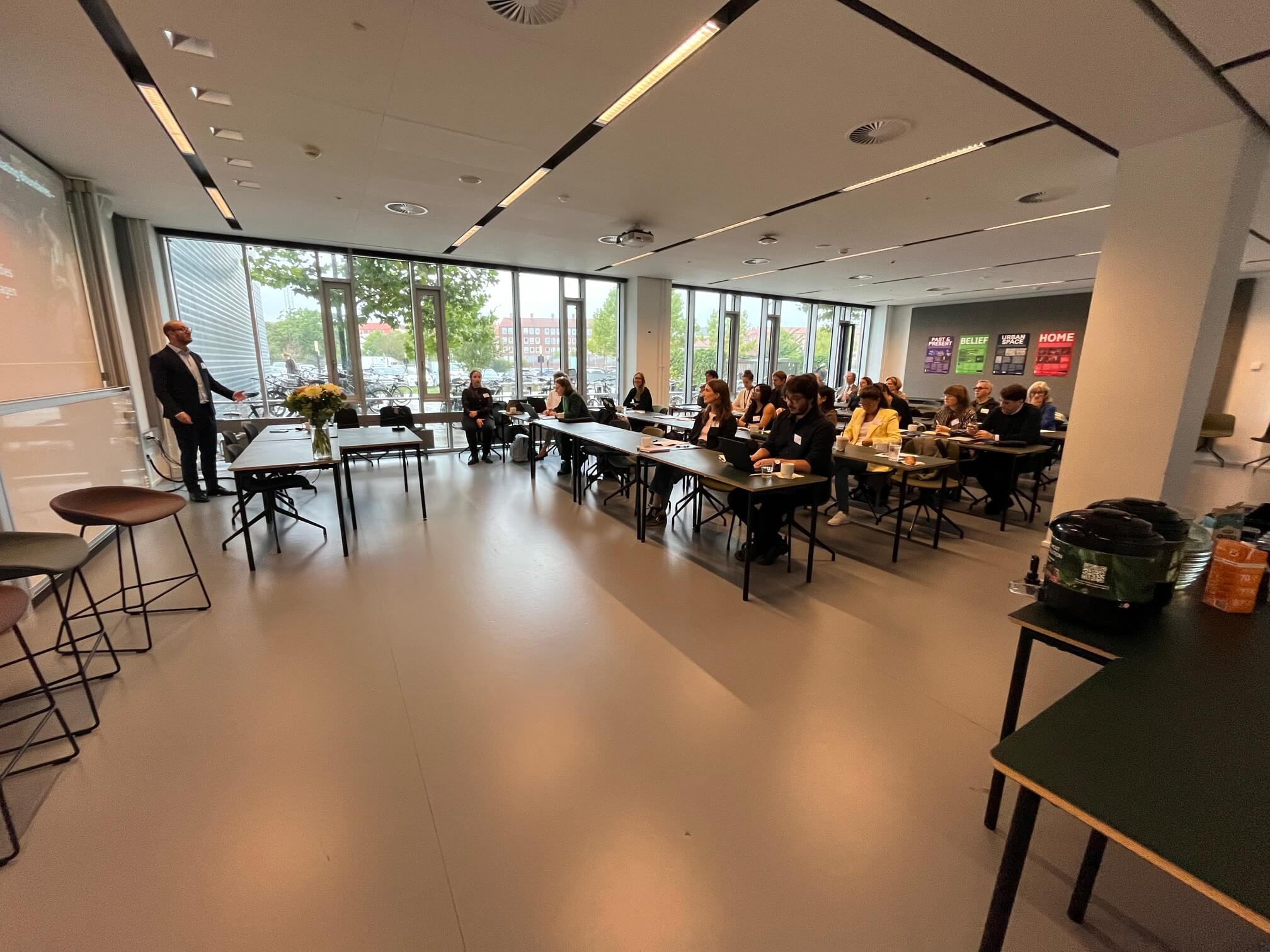
Centre leader Mette Birkedal Bruun closed off the conference with a summarising rundown of the highly varied and novel perspectives on privacy studies that were brought to light over the two days.
Overall, the conference provided a rich overview of the diverse ways in which privacy can be approached and studied across history. We hope that insights from the conference will spark further research and interest in the field for many years to come.
We thank all the presenters for their much-valued contributions to the conference, the chairs for introducing and moderating the panels, as well as all the participants for their fruitful questions, comments and discussions.